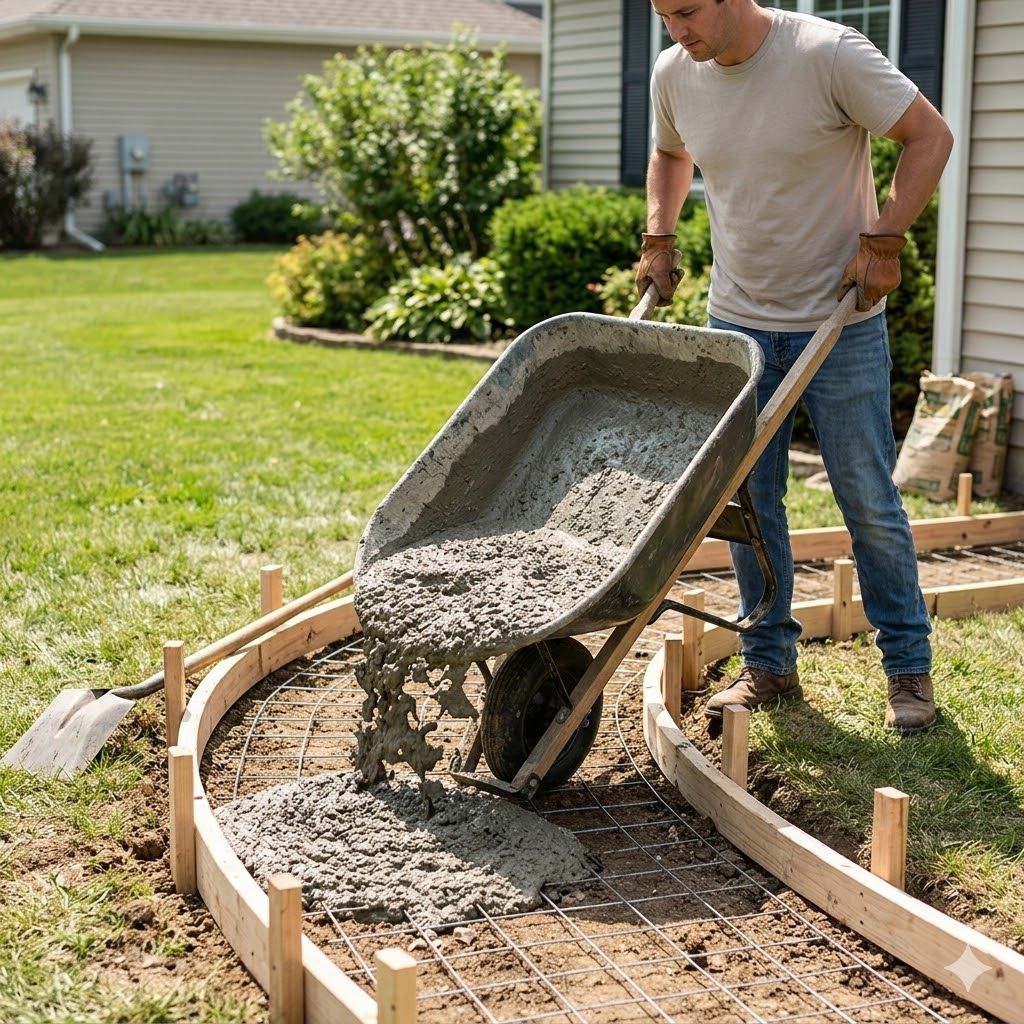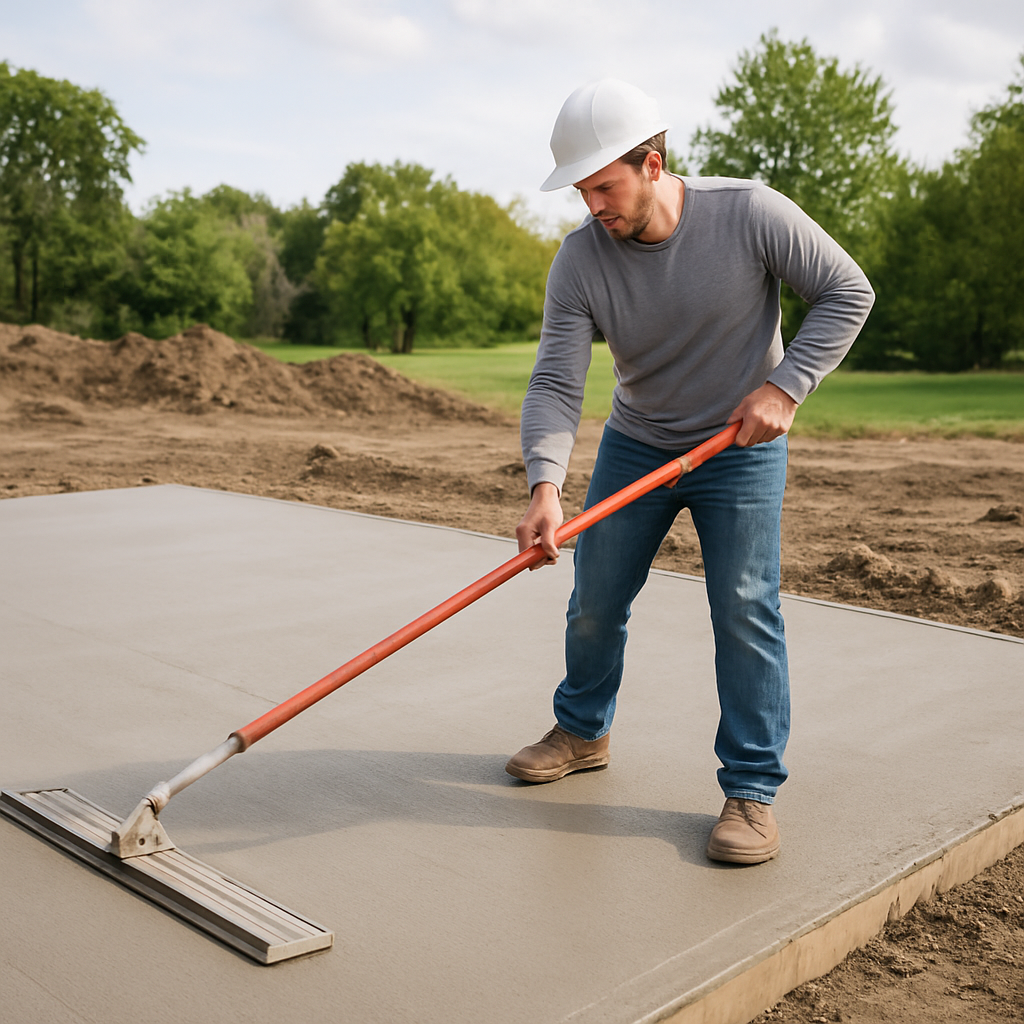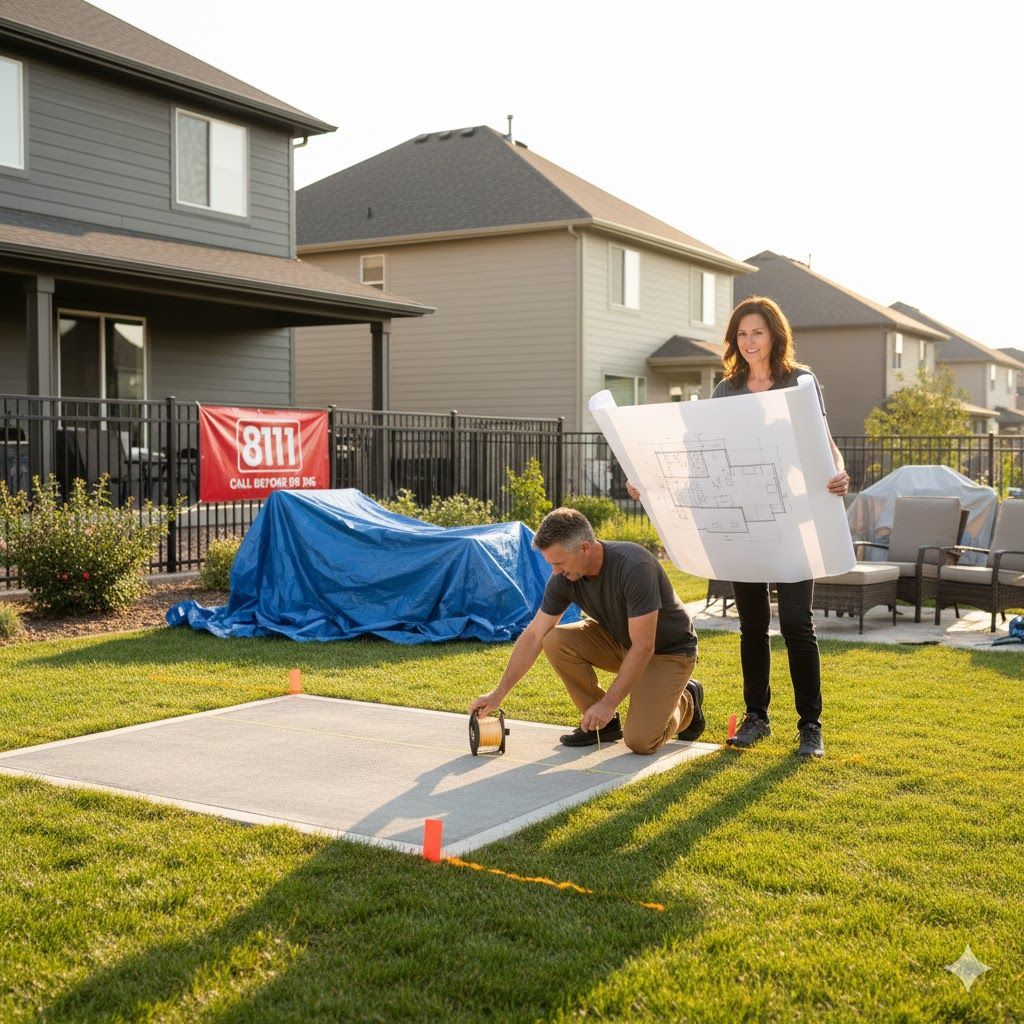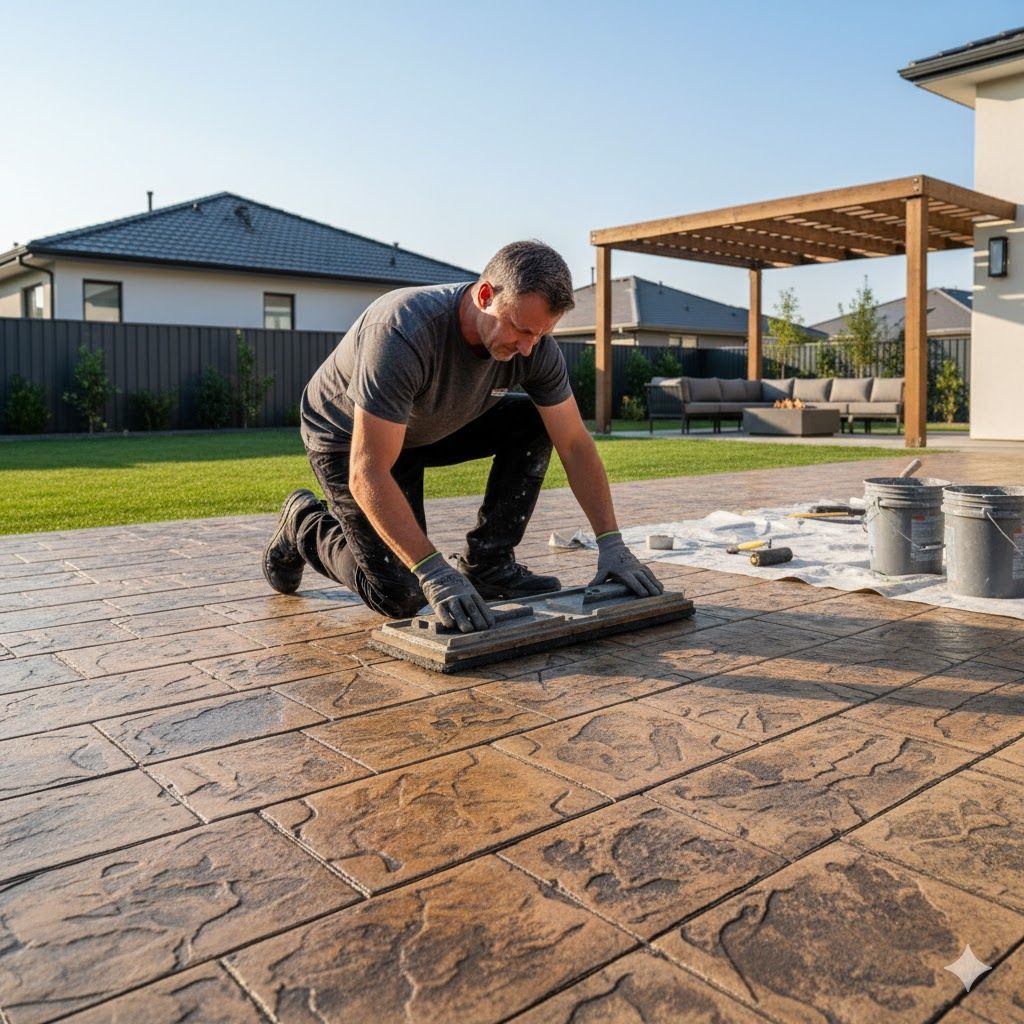
So, you finally did it! You’ve upgraded your backyard with a beautiful new concrete patio. Maybe you chose a classic smooth finish, or perhaps you went with one of those top 4 stamped concrete patterns of 2025 to give your home that high-end look. Either way, you’re probably already imagining the summer BBQs and quiet mornings with a cup of coffee.
But here is the thing: concrete is incredibly tough, but it isn't "set it and forget it." Especially here in Mankato, where our weather likes to throw curveballs, taking care of your new investment is key. Whether you are looking at your new outdoor living space or your concrete driveway, a little bit of love goes a long way in preventing cracks and stains.
In this guide, we’re going to walk through the best ways to keep your patio looking as fresh as the day it was poured.
1. Why Patio Care is Different from Your Concrete Driveway
It’s easy to think that all concrete is the same, but your patio has a different "job" than your concrete driveway. While your driveway handles the heavy weight of cars and trucks, your patio handles foot traffic, food spills, and patio furniture.
However, the science is the same. Both surfaces need to be protected from the Minnesota freeze-thaw cycle. If you've already read our ultimate guide to a flawless concrete driveway, you know that moisture is the enemy. On a patio, moisture can sit under rugs or furniture and cause discoloration. Understanding these small differences helps you keep both surfaces in tip-top shape.
2. Give it Time: The Curing Phase
When your patio is first poured, it’s in a "curing" phase. Even though it feels hard to the touch within a day, it takes about 28 days for concrete to reach its full strength.
During the first month:
- Keep it clear: Try to keep heavy planters or heavy metal furniture off the surface for at least a week.
- No Chemicals: Avoid any cleaners or sealers until the 28-day mark unless your concrete pouring service tells you otherwise.
- Watch the edges: The edges are the most fragile part of a new pour. Be careful when mowing the lawn or weed-whacking near the new slab.
3. Cleaning Your Patio vs. Your Concrete Driveway
Cleaning a patio is usually a bit more delicate than cleaning a concrete driveway. On a driveway, you’re mostly fighting oil leaks and tire marks. On a patio, you’re fighting grease from the grill, spilled wine, and organic stains from wet leaves.
For regular cleaning:
- Sweep often: Don't let wet leaves sit. They can leave tannins that stain the concrete.
- Gentle Soap: A simple mix of dish soap and water is usually enough.
- Power Washing: Be careful! A high-powered pressure washer can actually "etch" the surface of new concrete if you get too close. Use a wide fan tip and keep the wand moving.
If you start seeing signs of wear that won't wash away, it might be time to look into a concrete driveway repair service to see if they can do a professional deep clean and buff for your patio as well.
4. The Magic of Sealing
If there is one thing you take away from this post, let it be this: Seal your concrete. Think of sealer like a rain jacket for your patio. It keeps water, oil, and UV rays from soaking into the pores of the concrete. In Mankato, we deal with a lot of moisture. If water gets into the concrete and freezes, it expands. This is the many reasons your concrete driveway is cracking, and the same applies to your patio.
"Sealing concrete is the single most cost-effective way to double the lifespan of your outdoor surfaces." — Mankato Paving Expert
We usually recommend resealing every 2–3 years. If you have stamped concrete services, a good sealer will also make the colors "pop" and look vibrant again.
5. Winter Maintenance: Saving Your Patio and Concrete Driveway
Minnesota winters are the ultimate test for any concrete installation in Mankato.
The biggest "No-No" is using de-icing salts. Salt is incredibly corrosive to new concrete. It forces water into the pores and accelerates the freeze-thaw damage. Instead of salt, use sand for traction. It’s messy, but it won't eat away at your beautiful new finish.
Also, be careful with snow shovels. Metal blades can scratch the surface of a decorative patio. A plastic shovel or a snow blower with a rubber paddle is much safer.
6. Managing Spills and Furniture
Your patio is for living, so spills are going to happen. The key is to act fast. If you drop a greasy burger or spill some soda, wipe it up immediately. Concrete is like a giant sponge; the longer a liquid sits, the deeper it goes.
For your furniture:
- Use Protectors: Plastic or rubber caps on the bottom of metal chairs prevent rust stains.
- Rotate Rugs: If you use an outdoor rug, move it occasionally. Moisture can get trapped underneath and cause the concrete to cure at a different rate, leading to a "ghost" image of the rug on your patio.
7. Know When to Call the Pros
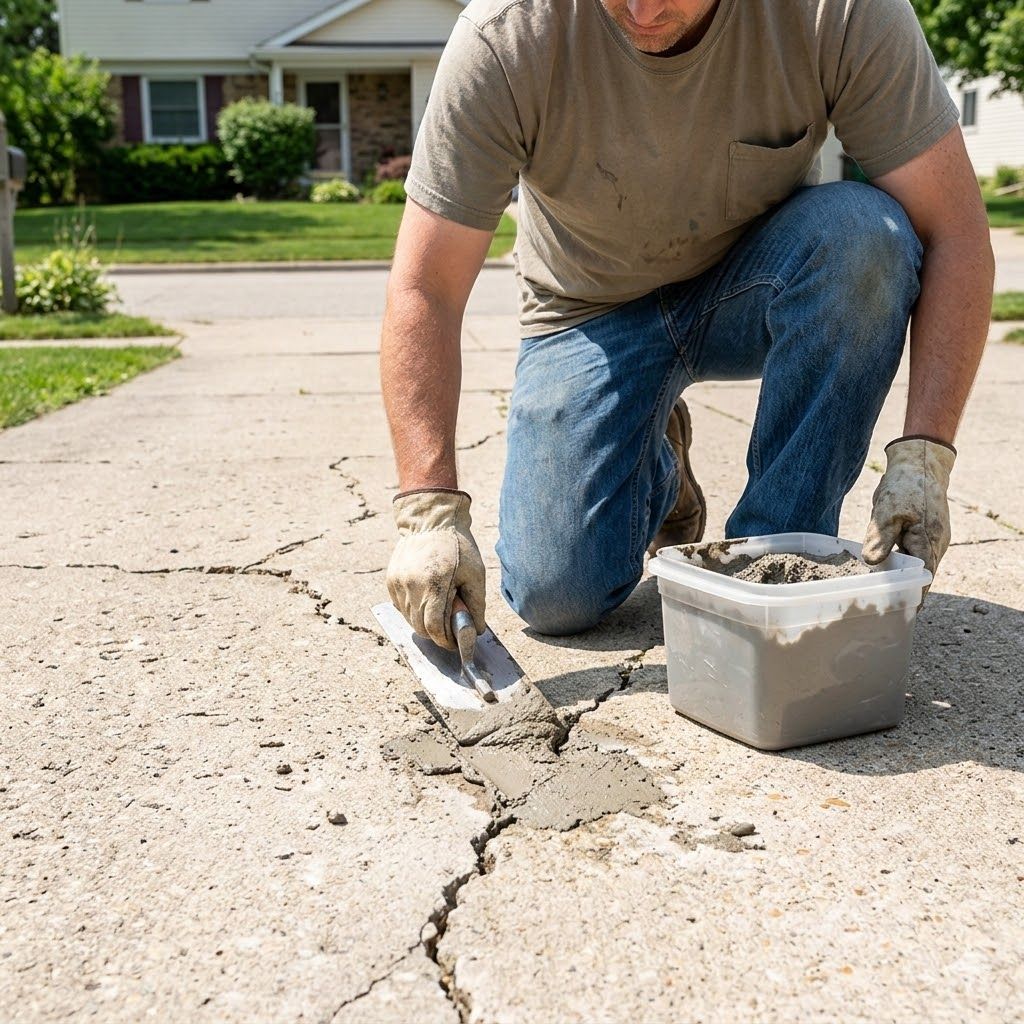
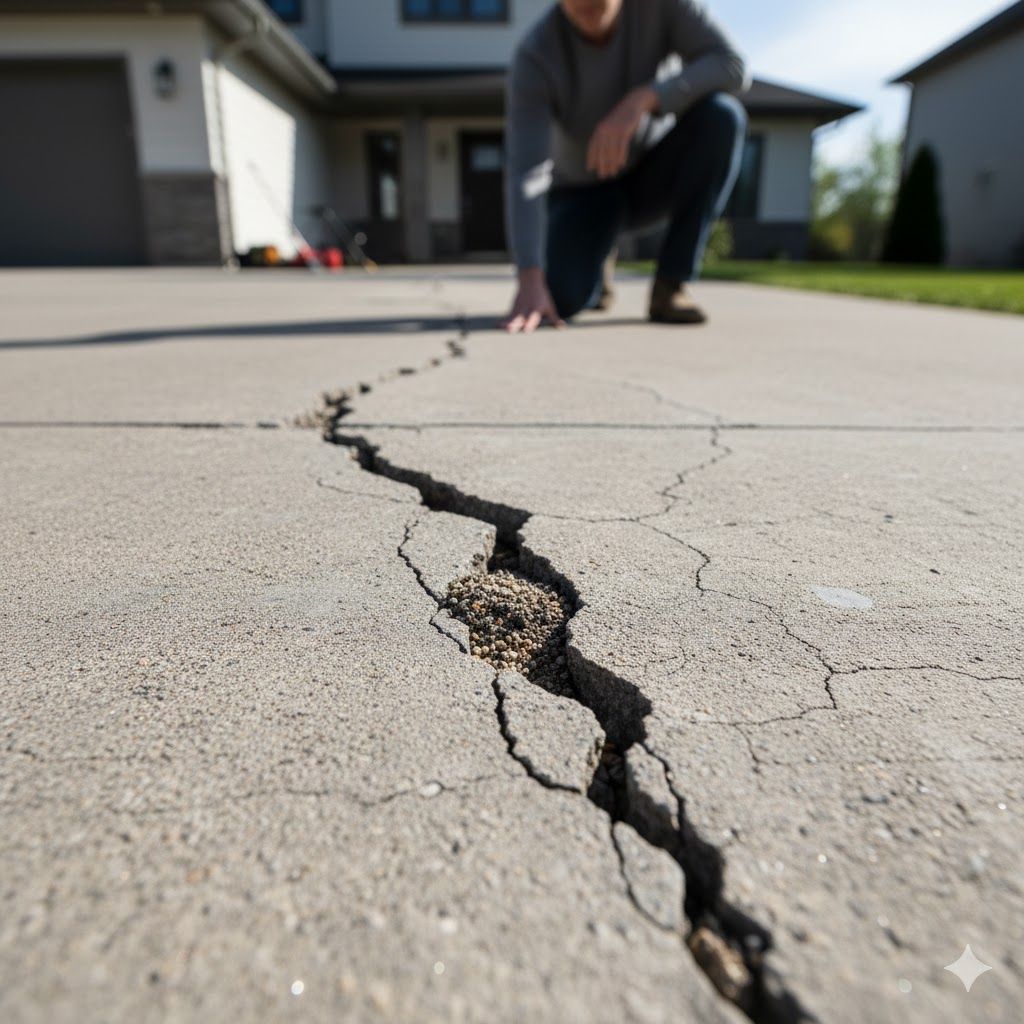
Sometimes, despite your best efforts, things happen. Maybe a tree root starts pushing up a corner, or you notice a small crack forming near the house. Don't panic! Small issues can usually be fixed if you catch them early.
If you aren't sure if a crack is a big deal, you can check out the 5 telltale signs when to stop patching and invest in a new concrete driveway or patio. Often, a simple concrete foundation repair can stabilize the area before it becomes an expensive problem.
Important Statistics for Mankato Homeowners
According to the
National Ready Mixed Concrete Association (NRMCA), properly cured and maintained concrete is
50% stronger than concrete that is left to dry out too quickly or is neglected. Additionally, a well-maintained patio can increase your home's "curb appeal" value significantly. In fact, many real estate experts say that 10 proven ways to boost your home's concrete curb appeal can return over 100% of the investment when it comes time to sell.
FAQ: Caring for Your Concrete
How soon can I put furniture on my new patio?
We recommend waiting at least 72 hours for light furniture and a full 7 to 14 days for heavy items like large dining tables or grills.
My concrete looks patchy/discolored. Is it ruined?
Usually not! This is often called "efflorescence" or just uneven curing. In most cases, it evens out over the first few months. If it persists, a professional cleaning can fix it.
What is the best sealer for Mankato weather?
In Minnesota, we recommend "Silane-Siloxane" penetrating sealers for driveways and high-quality acrylic sealers for concrete patios.
Can I paint my concrete patio?
We generally advise against it. Paint sits on the surface and will eventually peel, especially with our winters. If you want color, look into concrete stains or decorative stamped concrete finishe