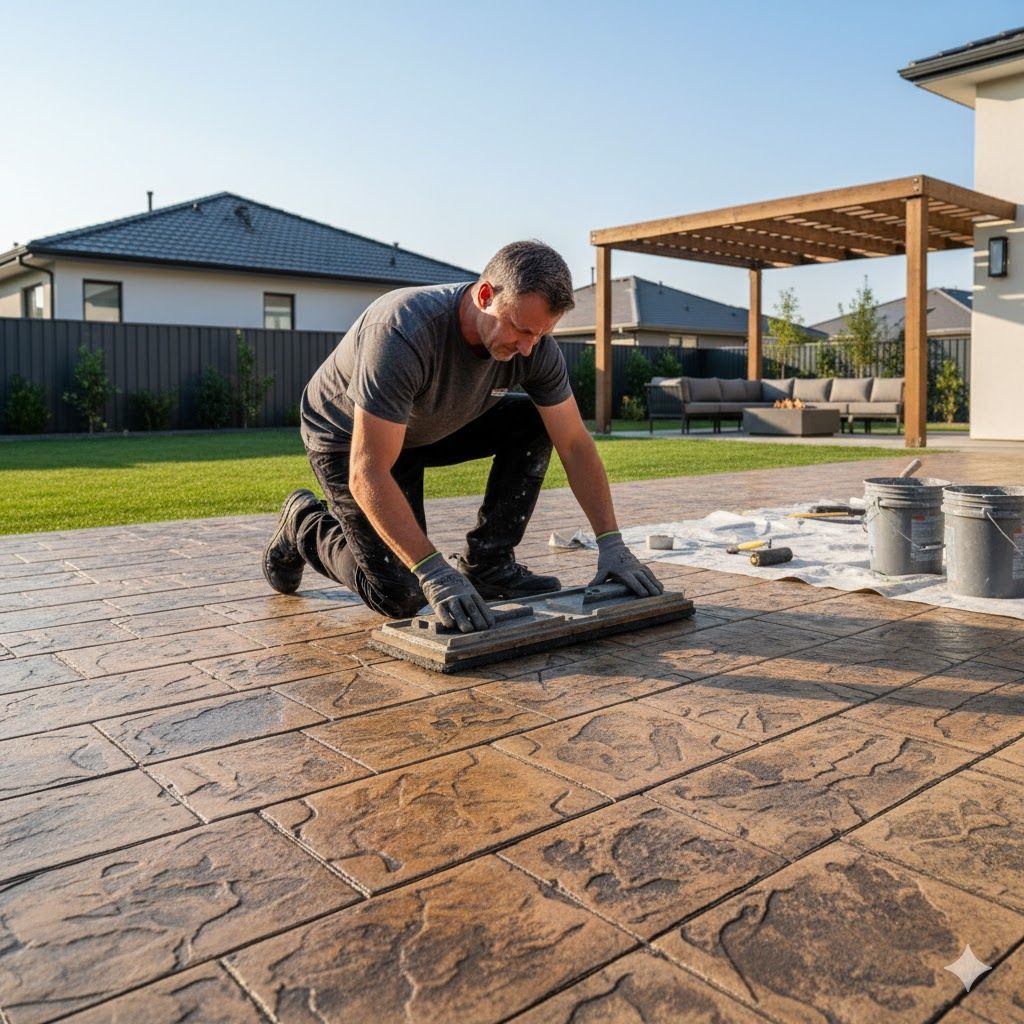
A Beginner’s Guide to Pouring Concrete
Concrete is one of the most durable and versatile materials used in home construction. From driveways and patios to walkways and foundations, concrete is built to last. But if you're thinking about pouring concrete yourself, you may be wondering where to start.
For many homeowners in Mankato, MN, pouring concrete can look simple at first—but it actually requires careful planning, preparation, and timing.
In this beginner’s guide, we’ll walk you through:
What pouring concrete involves
Tools and materials you’ll need
Step-by-step instructions
Common mistakes to avoid
When it’s better to hire a professional
By the end, you’ll have a better idea whether a
DIY concrete project is right for you—or if it’s smarter to call a trusted local contractor.
This is paragraph text. Click it or hit the Manage Text button to change the font, color, size, format, and more. To set up site-wide paragraph and title styles, go to Site Theme.
Why Concrete Is a Popular Choice for Homes
Concrete is widely used because it is strong, affordable, and long-lasting. It can handle heavy vehicles, changing weather, and years of wear and tear.
According to the Portland Cement Association, properly installed concrete can last 30 to 50 years or more with minimal maintenance.
That makes it a great choice for:
Driveways
Patios
Sidewalks
Garage floors
Foundations
Concrete also offers design flexibility. Options like stamped concrete or decorative finishes can give your property a custom look.
If you're curious about decorative options, explore this service:
https://www.precisionpavingmankato.com/stamped-concrete-service-in-mankato-mn
Tools and Materials Needed for Pouring Concrete
Before starting a concrete project, it’s important to gather the right equipment.
Here are some of the most common tools used when pouring concrete:
Tool / Material
Purpose
Concrete mix
Main building material
Wheelbarrow or mixer
Mixing concrete
Shovel
Moving and spreading concrete
Wooden forms
Holding concrete in shape
Level
Ensuring surface is even
Float and trowel
Smoothing and finishing
Rebar or wire mesh
Reinforcing the slab
Edging tool
Creating clean edges
If you’re pouring something large—like a driveway or patio—you may also need additional tools such as a power screed or bull float.
This is one reason many homeowners eventually decide to hire professionals for larger projects.
Step-by-Step Guide to Pouring Concrete
Let’s break down the basic process of pouring concrete.
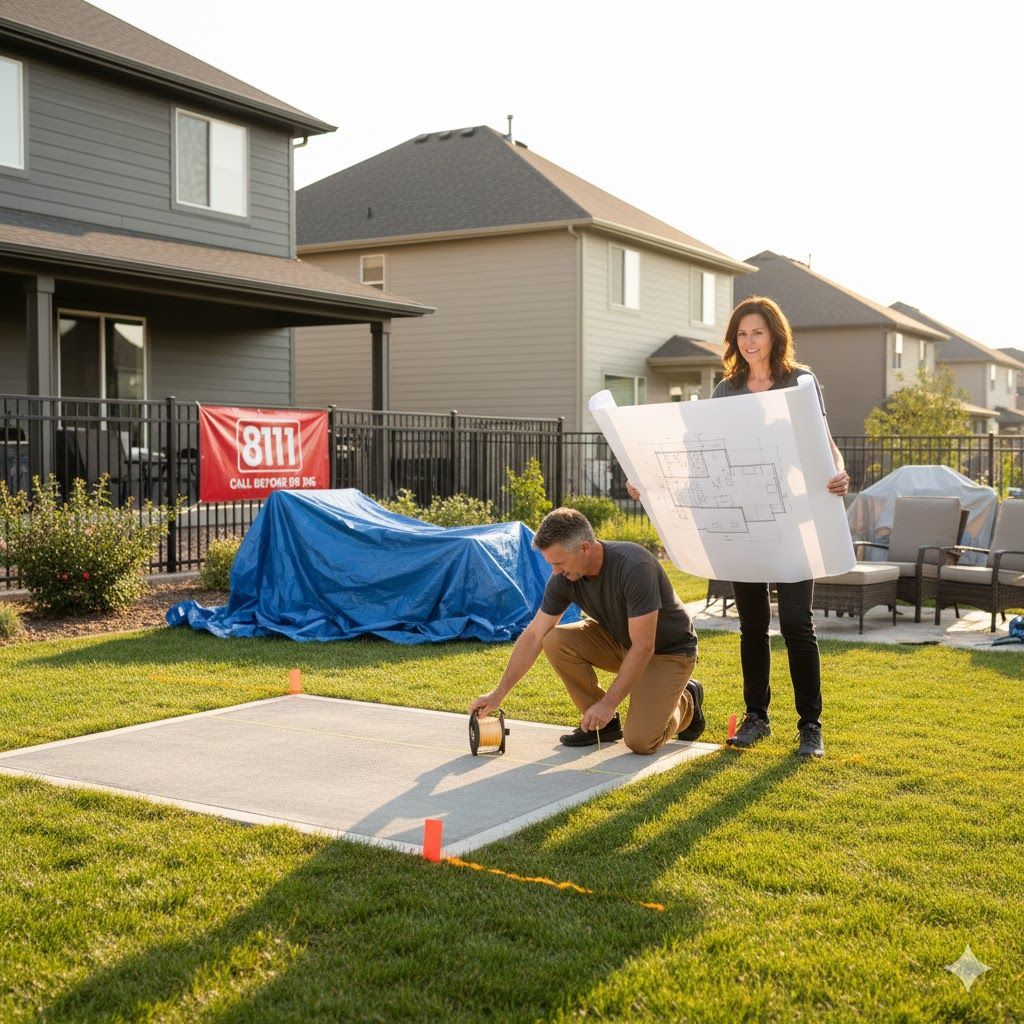
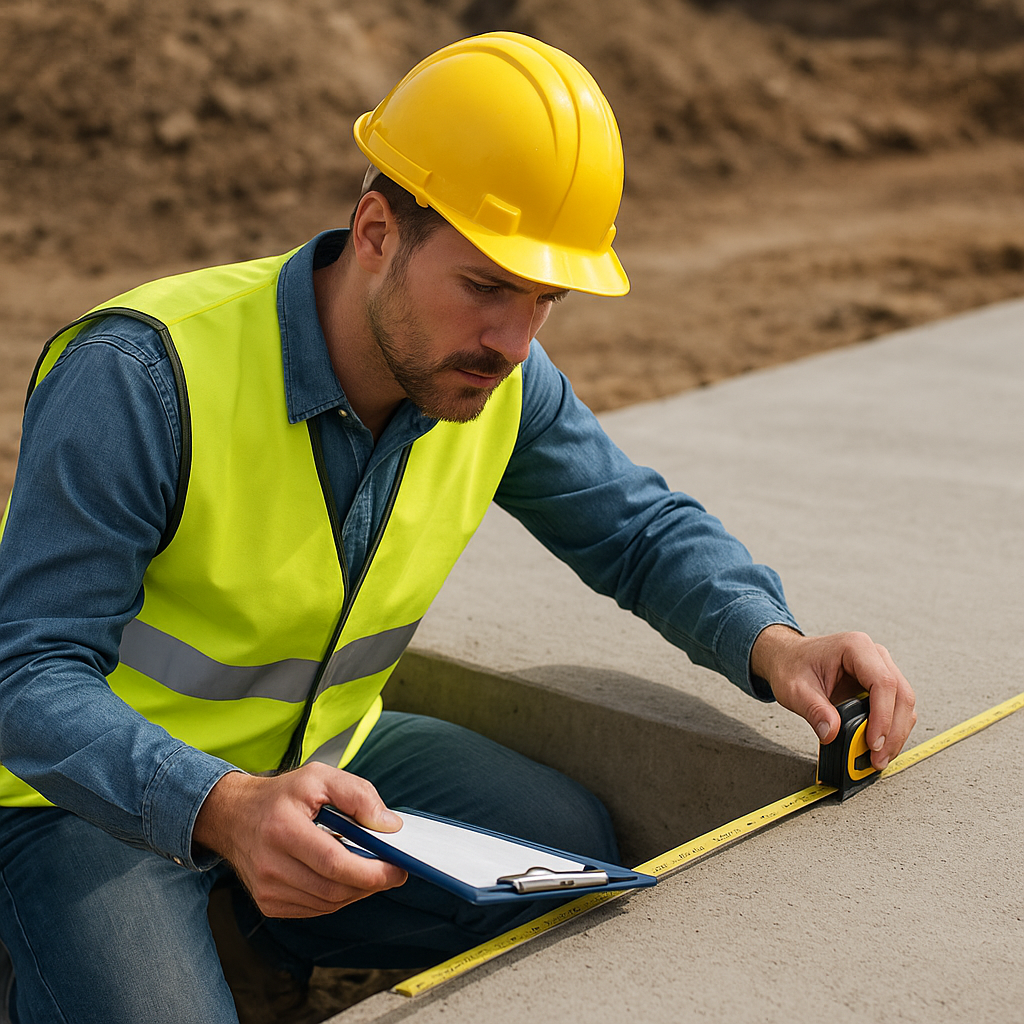
1. Plan and Measure the Project
Start by deciding the size, thickness, and location of your concrete slab.
For example:
Driveways are typically 4–6 inches thick
Patios are often 4 inches thick
Areas supporting heavy vehicles may require reinforcement
Accurate measurements help you calculate how much concrete you need.
2. Prepare the Ground
Preparation is one of the most important parts of pouring concrete.
Steps usually include:
Clearing vegetation and debris
Excavating the soil
Adding a gravel base for drainage
Compacting the soil
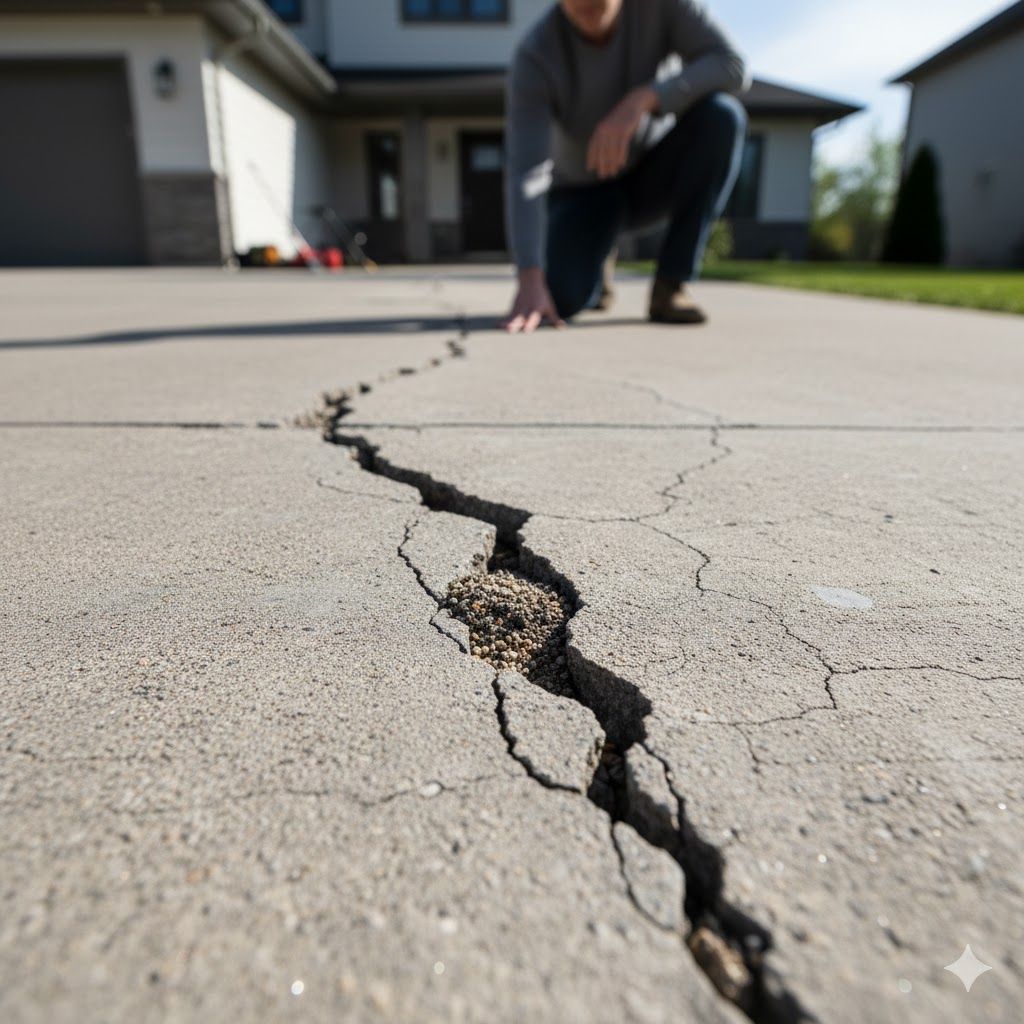
Skipping this step can lead to cracking or sinking concrete later on.
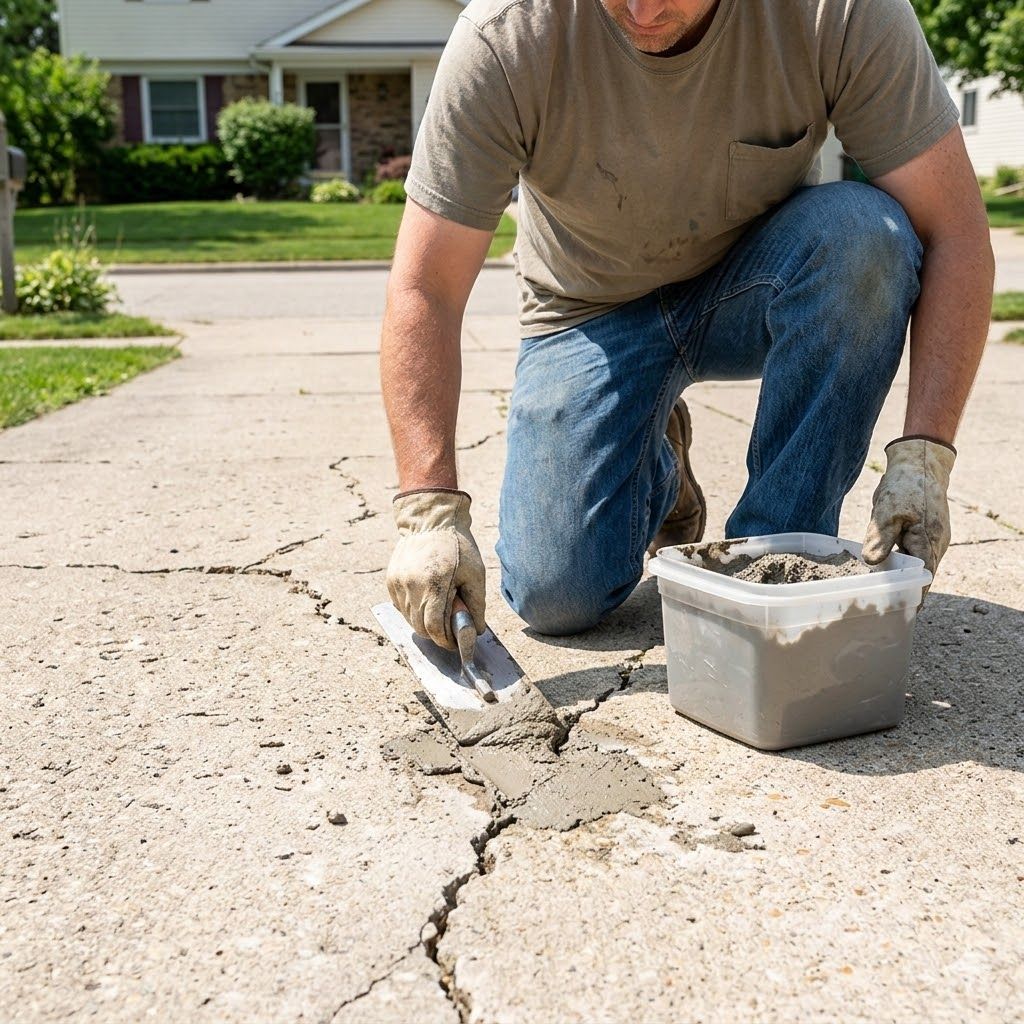
If your concrete is already damaged, you may want to read:
https://www.precisionpavingmankato.com/how-to-repair-common-concrete-damage
3. Build Concrete Forms
Forms are temporary frames that hold the concrete in place while it cures.
Most DIY projects use wooden boards secured with stakes.
Make sure the forms are:
Level
Straight
Secure
Poorly built forms can cause uneven slabs or warped edges.
4. Add Reinforcement
Reinforcement strengthens concrete and helps prevent cracking.
Common options include:
Steel rebar
Wire mesh
Fiber-reinforced concrete
Reinforcement is especially important for driveways and foundations.
Learn more about structural concrete services:
https://www.precisionpavingmankato.com/concrete-foundation-repair-service-in-mankato-mn
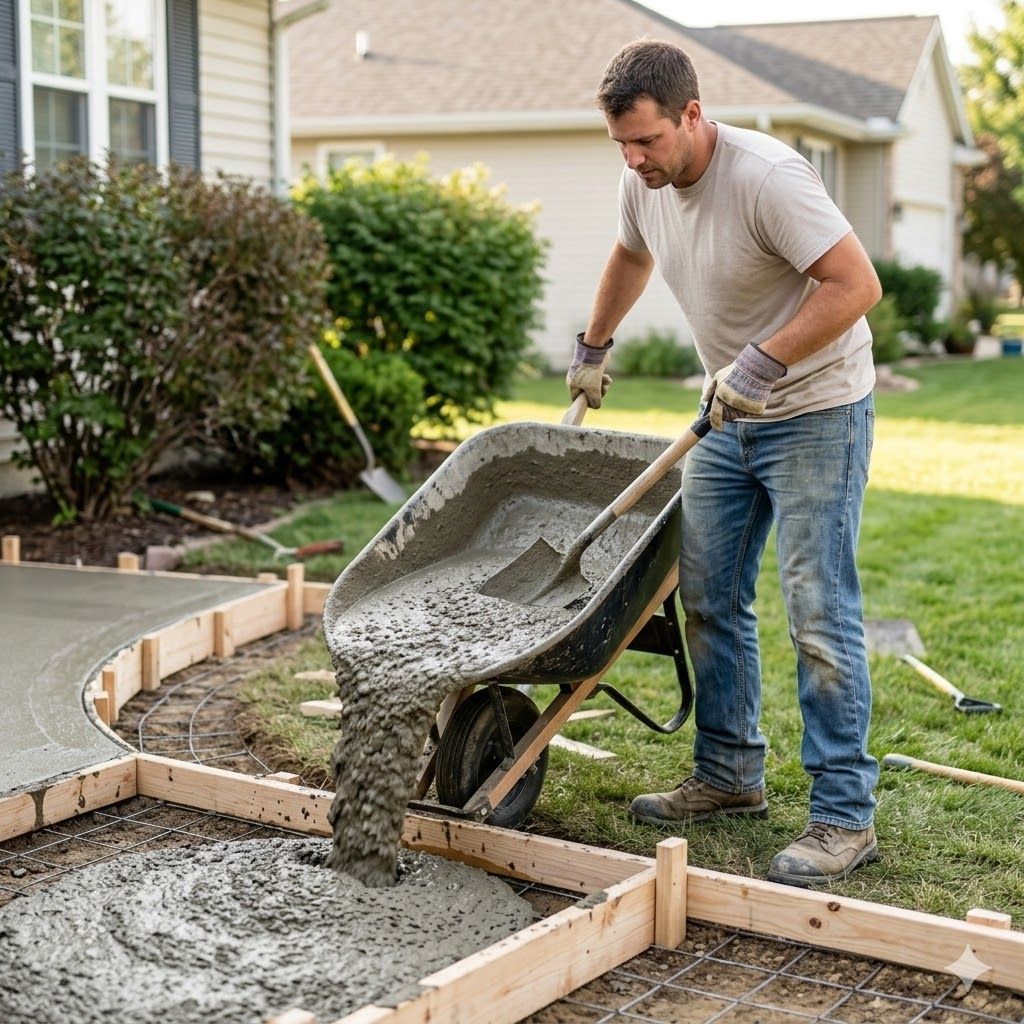
5. Mix and Pour the Concrete
Once everything is ready, it's time for the actual pouring concrete step.
Concrete can be:
Mixed by hand
Mixed in a portable mixer
Delivered by a concrete truck
After pouring, workers spread the mixture evenly using shovels and rakes.
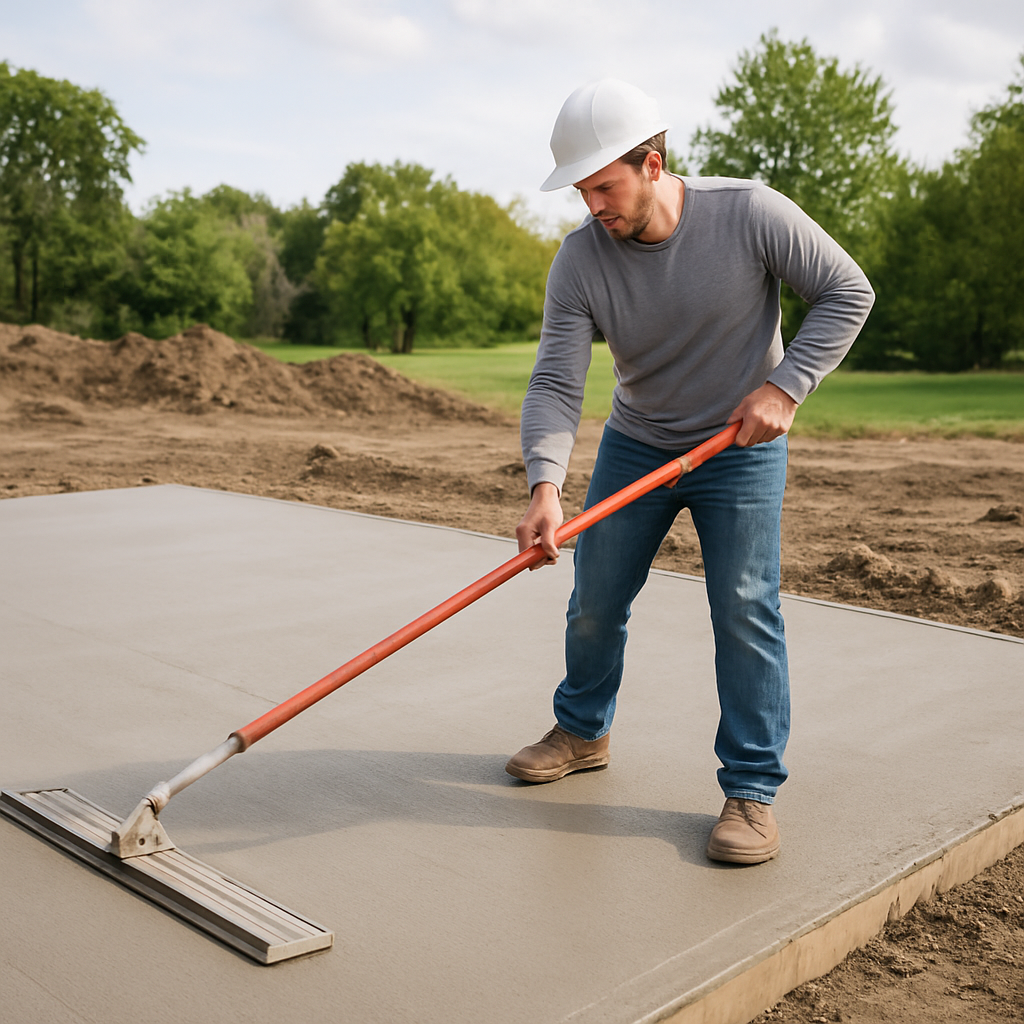
6. Level the Surface (Screeding)
Screeding removes excess concrete and levels the slab.
A long board or specialized screed tool is dragged across the surface to create a flat finish.
This step is crucial for
driveways and patios, where uneven surfaces can cause drainage issues.
7. Smooth and Finish the Concrete
Once leveled, the surface must be smoothed.
Common finishing steps include:
Floating to remove imperfections
Edging to create clean borders
Troweling for a smooth surface
Adding texture for slip resistance
If you're considering decorative finishes, check out:
https://www.precisionpavingmankato.com/the-top-finishes-for-concrete-slabs
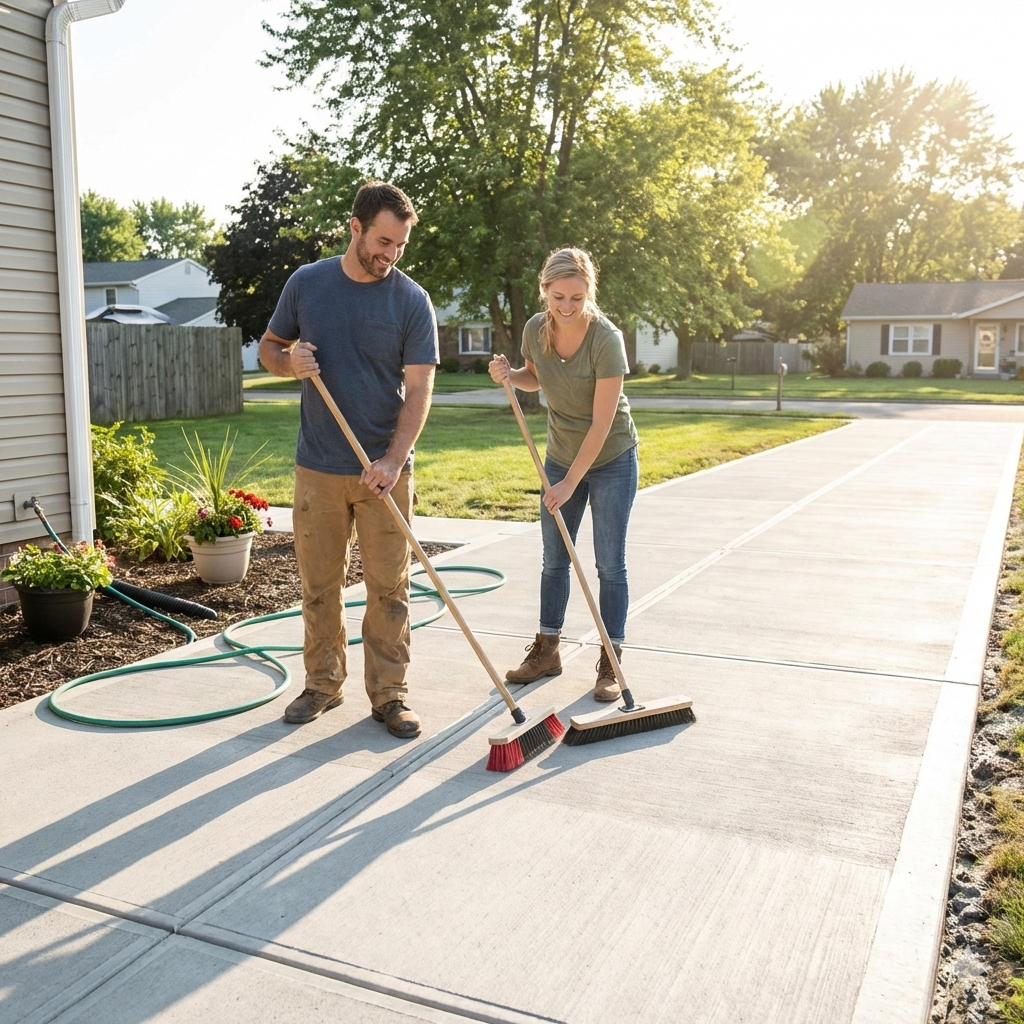
8. Cure the Concrete Properly
Curing is the process where concrete gains strength over time.
Concrete usually needs:
24–48 hours before light use
7 days to gain most of its strength
28 days for full curing
During curing, it’s important to keep the surface moist and protected from extreme weather.
Proper curing helps prevent cracking and surface damage.
Common DIY Concrete Mistakes
Even small mistakes during pouring concrete can lead to costly repairs.
Here are some of the most common problems homeowners run into:
Poor Site Preparation
Skipping soil compaction can cause concrete slabs to shift or sink.
Incorrect Concrete Mix
Using the wrong mix ratio can weaken the structure.
Pouring in Bad Weather
Extreme heat or cold can affect curing and durability.
Rushing the Finish
Concrete finishing requires timing and patience.
Lack of Reinforcement
Without reinforcement, concrete is more likely to crack.
These are the types of issues professional contractors work hard to prevent.
DIY vs Hiring a Concrete Contractor
For small projects, DIY pouring concrete may work well.
But larger projects often require professional experience.
DIY Concrete
Professional Contractor
Lower upfront cost
Higher upfront cost
Requires time and labor
Faster completion
Risk of mistakes
Professional quality
Limited tools
Specialized equipment
Good for small slabs
Ideal for driveways & patios
If you’re installing a large driveway or patio, hiring professionals can actually save time and money in the long run.
For professional installation, check out:
https://www.precisionpavingmankato.com/concrete-installation-in-mankato-mn
Concrete Projects That Add Value to Your Home
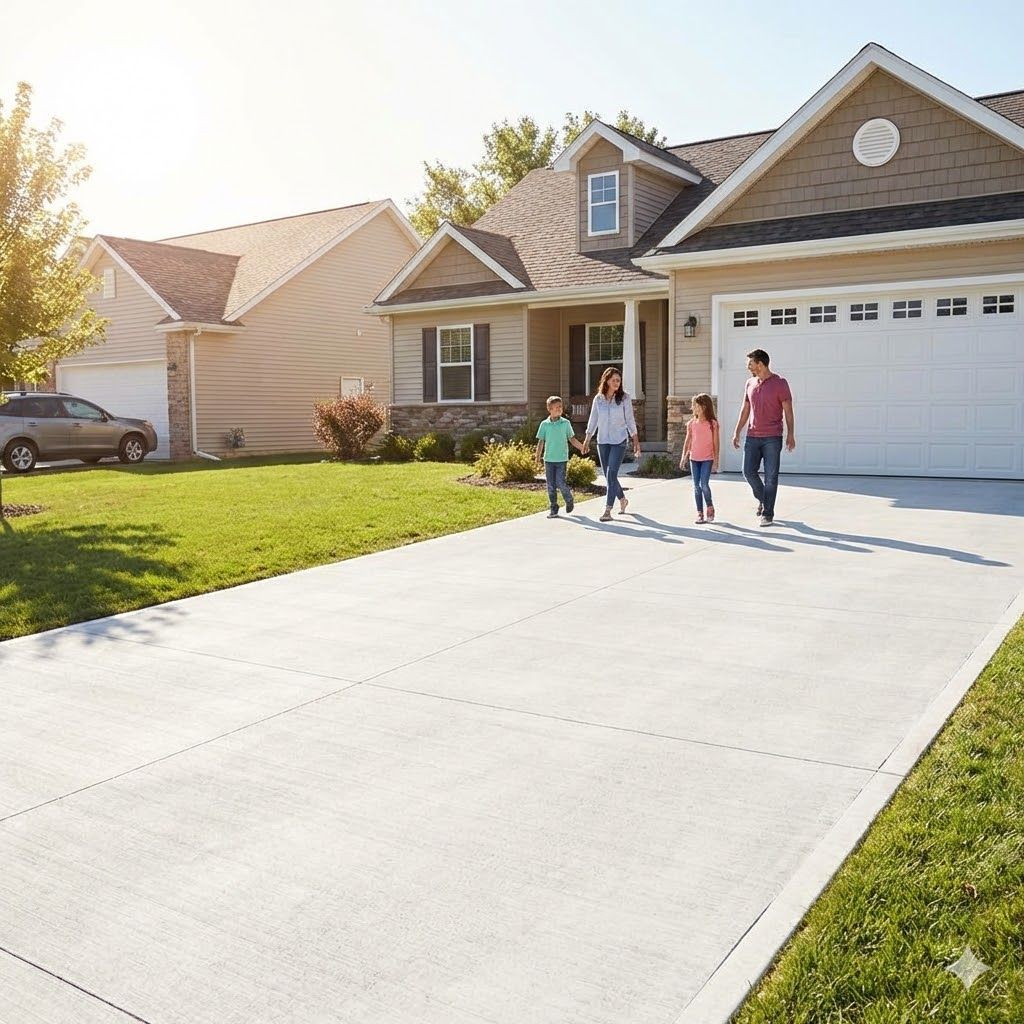
Concrete improvements can significantly increase curb appeal and property value.
Popular projects include:
New concrete driveways
Backyard patios
Decorative stamped concrete
Walkways and paths
Garage floors
You can also explore ideas here:
https://www.precisionpavingmankato.com/8-creative-concrete-patio-ideas-for-your-mankato-home
Or learn about driveway benefits:
https://www.precisionpavingmankato.com/5-key-benefits-of-a-concrete-driveway
This is paragraph text. Click it or hit the Manage Text button to change the font, color, size, format, and more. To set up site-wide paragraph and title styles, go to Site Theme.
“Concrete is incredibly durable, but the quality of the installation determines how long it will last. Proper preparation and curing are just as important as the concrete itself.”
FAQ: Pouring Concrete
How thick should concrete be for a driveway?
Most residential driveways require
4 to 6 inches of concrete. Heavier vehicles may require thicker slabs or additional reinforcement.
Can I pour concrete by myself?
Small projects like stepping stones or small pads can be DIY-friendly. Larger projects like driveways and patios often require multiple people and specialized tools.
How long does concrete take to dry?
Concrete usually sets within 24 to 48 hours, but it can take up to 28 days to fully cure.
What temperature is best for pouring concrete?
The ideal temperature range is
50°F to 85°F. Extreme heat or cold can affect curing and strength.
How much does it cost to pour concrete?
Costs vary depending on the size and complexity of the project. Professional concrete installation typically ranges between
$6 and $12 per square foot.
When to Call a Professional Concrete Contractor
While DIY concrete can work for smaller jobs, many homeowners realize that larger projects require professional expertise.
A trusted local contractor can help with:
Driveway installation
Patio construction
Concrete repairs
Decorative stamped concrete
Foundations
Working with professionals ensures the job is done safely, correctly, and built to last.
If you're thinking about pouring concrete for your driveway, patio, or walkway, the team at Precision Paving Mankato is here to help.
Whether you're ready to start your project or just exploring your options, their experienced professionals can guide you every step of the way.
Learn more about their services:
https://www.precisionpavingmankato.com/services
Or contact their team for a free estimate:
https://www.precisionpavingmankato.com/contact-us
You can also explore more helpful resources on their blog:
https://www.precisionpavingmankato.com/blog