How to Repair Common Concrete Damage
If you own a home in Mankato, you are basically in a never-ending wrestling match with the elements. Between the humid summers and the "frozen tundra" winters, your concrete goes through a massive amount of stress. It expands when it's hot, shrinks when it's cold, and deals with all the salt and sand we throw at it to keep from slipping in January.
Eventually, that stress shows up as cracks, holes, or flaking. The good news? Much of this can be handled with concrete repair if you catch it early. The bad news? If you ignore it, "today’s small crack" becomes "next year’s expensive replacement."
Let’s look at how to spot, fix, and prevent the most common types of concrete damage we see around the Minnesota River Valley.
1. Hairline Cracks: The Warning Sign
Hairline cracks are thin (usually less than 1/8 inch wide) and often look like a stray piece of hair on your slab. Most people ignore them because they don't look "dangerous."
The Risk: In Mankato, a hairline crack is a gateway. Water gets in during a spring rain, the temperature drops overnight, and that water turns to ice. Ice expands, pushing the crack wider. This is the "freeze-thaw" cycle in action.
How to Repair:
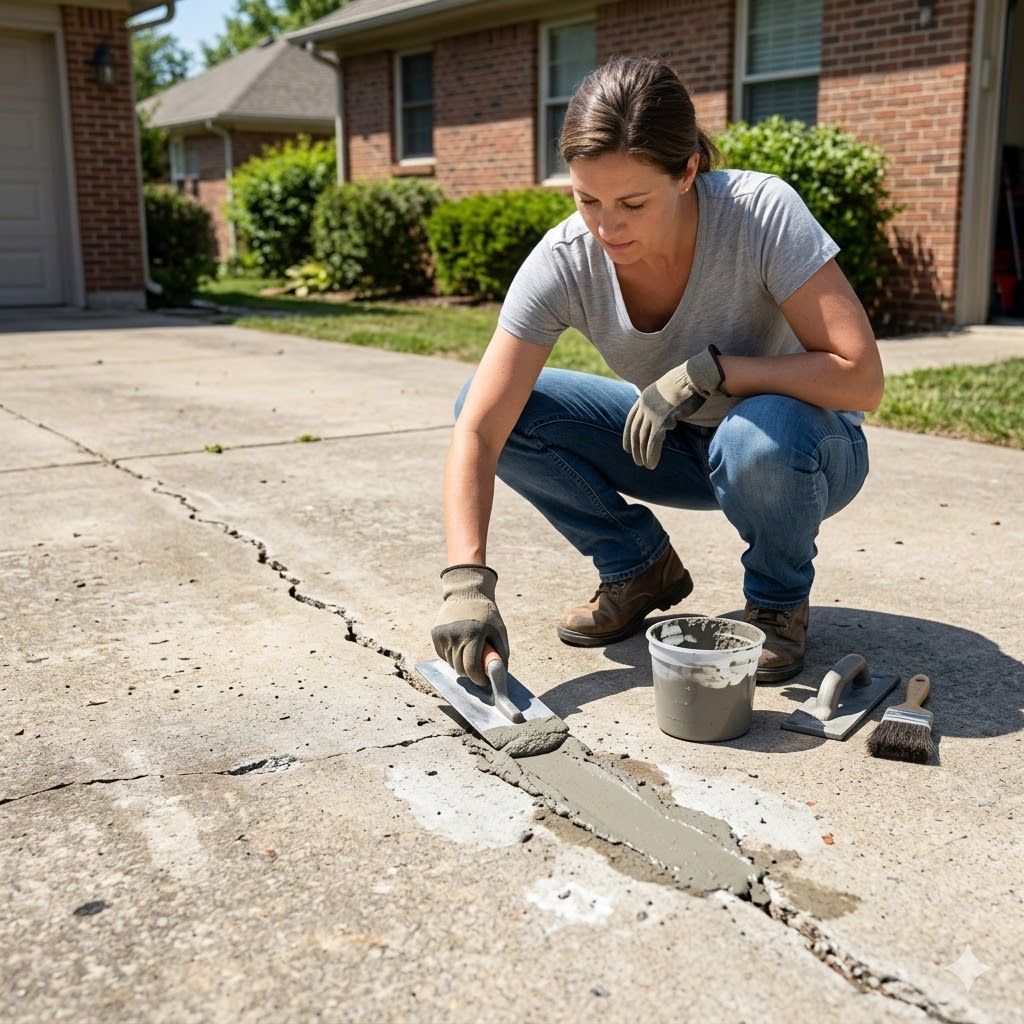
- Clean it out: Use a stiff wire brush to get rid of dirt and loose bits.
- Fill it: Use a liquid concrete crack filler or a tube of masonry caulk.
- Smooth it: Level it off with a putty knife so it blends in.
Catching these early is the best form of concrete driveway repair service you can do for yourself.
2. Spalling or Scaling (The "Peeling" Look)
Does your driveway look like it’s peeling or flaking off in thin layers? This is called spalling. It’s incredibly common in Minnesota because of de-icing salts. Salt lowers the freezing point of water, which sounds good, but it actually increases the number of freeze-thaw cycles the concrete has to endure.
How to Repair:
If the damage is shallow, you can use a concrete "resurfacer." This is a thin layer of high-strength concrete that you spread over the entire slab. It acts like a fresh skin for your driveway. For more creative ways to refresh your home's look, check out these 8 creative concrete patio ideas.
3. Potholes and Deep Cracks
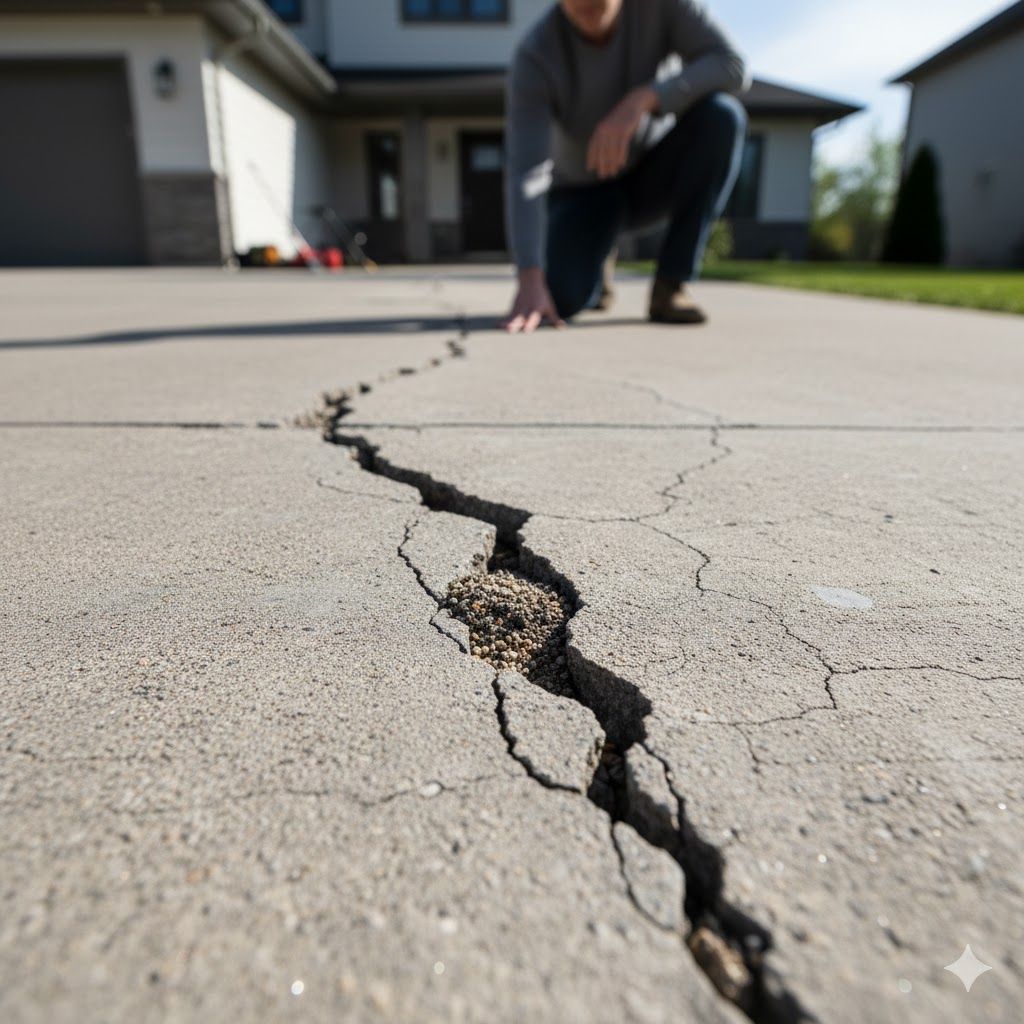
If you can fit a penny (or your pinky finger) into the gap, you aren't looking at a hairline crack anymore. You’re looking at a structural failure. Usually, this means the ground underneath has washed away or shifted.
How to Repair:
This requires a "patching" compound. You’ll need to chisel out the loose edges so the new material has something to "grab" onto. However, patching is often a temporary fix. If you find yourself patching the same spot every spring, it might be one of the 5 telltale signs when to stop patching and invest in a new concrete driveway.
When is it Time to Call the Pros?
We love the DIY spirit in Mankato, but concrete repair has its limits. If you see any of the following, it’s time to stop browsing the hardware store and start looking for a trustworthy concrete installation service:
- Uneven Slabs: If one part of your sidewalk is two inches higher than the other, it’s a trip hazard. This usually requires "mudjacking" or professional leveling.
- Deep Foundation Cracks: If the cracks are in your home's foundation, don't mess around. Check out our concrete foundation repair service in Mankato.
- Widespread Crumbling: If more than 25% of the slab is damaged, a repair is just a band-aid on a broken bone.
"The cost of a professional repair today is significantly lower than the cost of a full demolition and replacement tomorrow. Maintenance is the only way to beat the Minnesota climate." — Mankato Masonry Expert
How to Protect Your Concrete (Preventing Future Damage)
The best way to handle concrete repair is to make sure you don't need it in the first place! Here are three ways to protect your investment:
- Seal It: A high-quality sealer acts like a raincoat for your concrete. It keeps water out of the pores so it can't freeze and expand. You should reseal your driveway every 2–3 years. If you just got a new patio, follow these 7 must-know maintenance tips.
- Avoid Salt: Use sand for traction whenever possible. If you must use a de-icer, look for one that is labeled "concrete safe," but use it sparingly.
- Manage Your Water: Make sure your gutters aren't dumping water directly onto your concrete. Water leads to erosion, and erosion leads to sinking slabs.
Concrete Strength Statistics
According to the
National Ready Mixed Concrete Association (NRMCA), properly sealed concrete is
40% less likely to suffer from spalling or surface damage over a 10-year period compared to untreated concrete. Additionally, approximately
60% of driveway failures in the Midwest are caused by improper subbase drainage rather than the concrete itself.
The "Integrity" Factor: Why Choosing Local Matters
As we discussed in our last session, there is a real problem with "tailgate contractors" who show up with a bag of mix, do a sloppy job, and then "ghost" you when the repair fails three months later.
When you look for a company like Precision Paving Mankato, you are looking for someone who knows our soil and our weather. We’ve been part of this community for a long time, and we know that our reputation is only as solid as the slabs we pour. Whether you want a stamped concrete service for a fancy new look or just need a reliable concrete pouring service, we make sure the job is done right the first time.
FAQ: Concrete Repair Questions
Can I repair my concrete in the winter?
In Mankato, it’s very difficult. Concrete and repair mortars need to stay above freezing to "cure" correctly. It’s best to wait for a stretch of days where the temperature is at least 45°F.
How long do I have to stay off a repaired area?
For small crack repairs, usually 24 hours. For larger patches or professional pours, you should wait at least 7 days before driving a vehicle on it.
Why does my concrete keep cracking even after I fix it?
If the ground underneath (the subbase) is still moving or washing away, the crack will return. Professional concrete repair involves stabilizing the ground, not just filling the hole.
Is stamped concrete harder to repair?
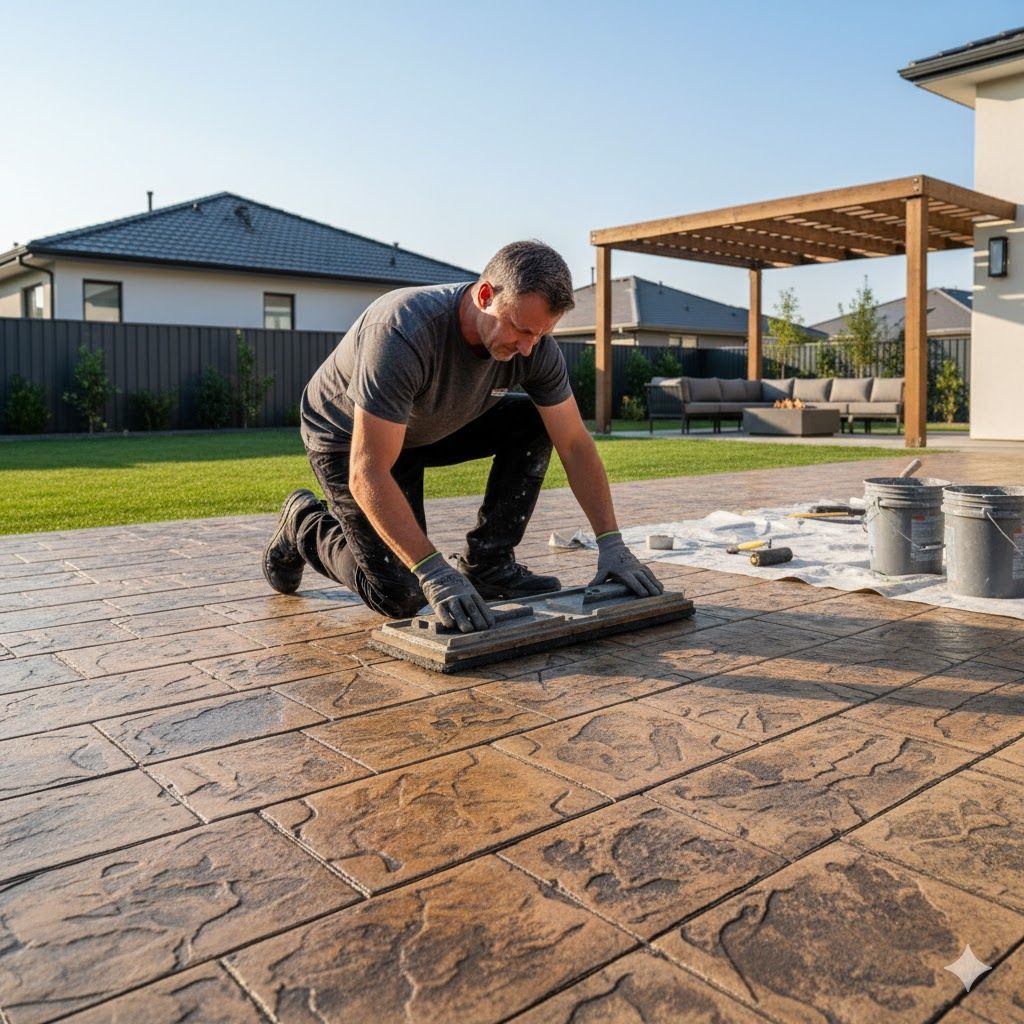
It can be because you have to match the pattern and color. This is definitely a job for stamped concrete specialists rather than a DIY attempt.
Conclusion: Don't Let the Cracks Win
Your home is likely your biggest investment. Letting a driveway or patio crumble doesn't just look bad—it actually hurts your property value. By catching damage early and using the right concrete repair techniques, you can keep your home looking sharp for decades.
But we also know that life is busy. Between work, family, and trying to enjoy the few months of nice weather we get in Mankato, you might not want to spend your weekend covered in concrete dust.
Ready to get your concrete back in tip-top shape?
Don't get stuck with a contractor who disappears. Contact Precision Paving Mankato today for a free estimate. Whether it’s a quick fix or a brand new concrete installation, we’ll show up, do the work, and make sure your home is ready for whatever the Minnesota sky throws at it next.